- +91-8920362595
- info@vinusgroup.in

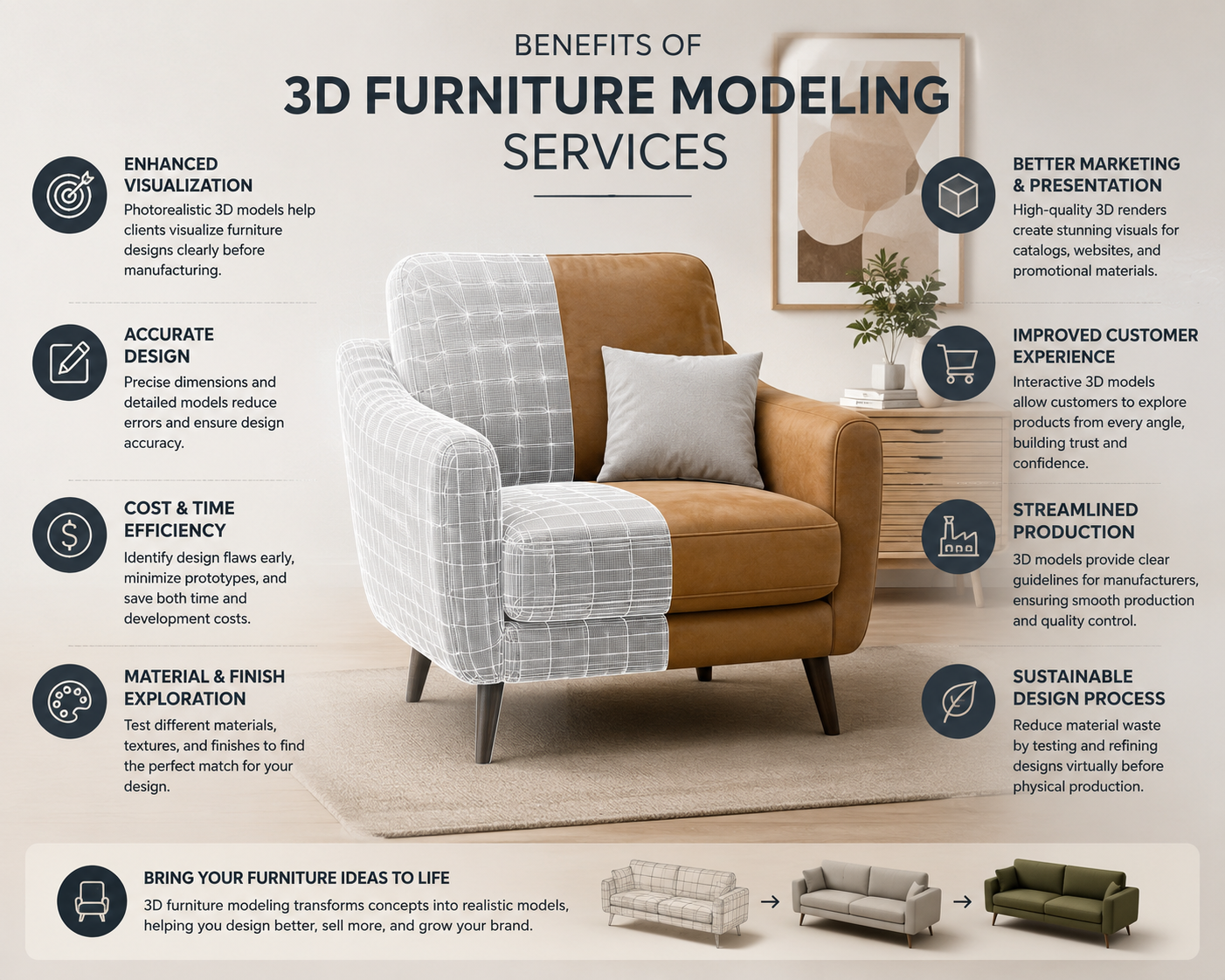
Designs can be created, tested, and modified quickly in a digital environment, helping brands move from concept to market much faster.

When shopping for furniture online, customers often find it difficult to imagine how a product will actually look in their space. Factors like size, design compatibility, and overall aesthetics are harder to evaluate without a physical experience, which can lead to hesitation and lower conversion rates.
We solve this challenge by offering advanced 3D furniture modeling and texturing solutions designed specifically for modern eCommerce businesses. Through our specialized division, Vinus Group, we help brands transform their product presentation into a highly interactive and visually engaging experience.
With photorealistic 3D renders, customers can virtually place furniture in their own rooms, explore every angle, and closely examine materials, finishes, and textures. They can also personalize products in real time—choosing colors, fabrics, and design variations that match their preferences.
This enhanced visualization not only bridges the gap between online and offline shopping but also improves customer confidence, reduces returns, and significantly boosts sales performance.
Their biggest doubt of customer is “Will this look good in my room?” 3D modeling solves that. Instead of guessing, customers can visualize the product in a realistic setup or even place it in their own space using Interactive 3D Visualization. This clarity makes decision-making much easier.
Flat images often hide important details like texture, finish, or depth. With 3D models, customers can zoom in, rotate the product, and examine it from every angle. This transparency builds confidence and reduces hesitation before buying.
A common issue in furniture eCommerce is returns due to size mismatch or “not as expected” products. When buyers can clearly understand dimensions, proportions, and materials through 3D visualization, they are less likely to be disappointed after delivery.
Let’s be honest—websites with interactive 3D visuals instantly feel more advanced and professional. It gives your brand a modern edge and helps you stand out from competitors still using basic images.
Instead of uploading dozens of images for each variation, 3D models allow users to switch colors, fabrics, or finishes in real time. It creates a smooth and engaging experience while also saving time for your team.
Traditional photoshoots for every product and variation can be expensive and time-consuming. Once a 3D model is created, you can reuse it for multiple designs, angles, and marketing campaigns without repeated shoots.
3D assets are versatile—you can use them on your website, social media, ads, and even AR/VR experiences. This consistency improves your overall branding and helps create a stronger visual identity.
We create detailed 3D models based on your sketches, reference images, or CAD files. This is where your product starts taking shape digitally, with accurate proportions and structure.
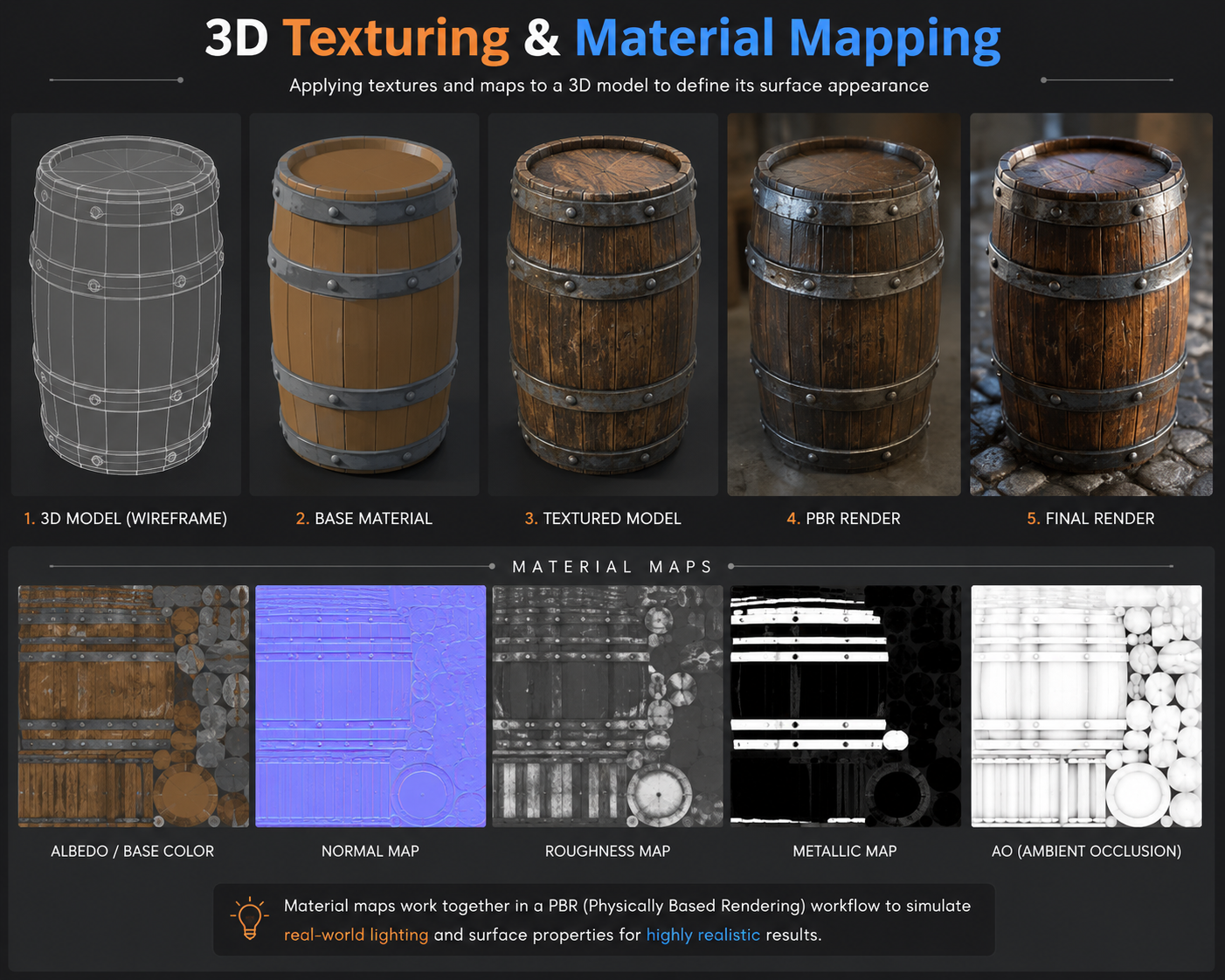
Once the model is ready, we bring it to life by adding real-world materials—whether it’s wood grain, soft fabric, polished metal, or glass. The goal is to make it look as close to reality as possible.
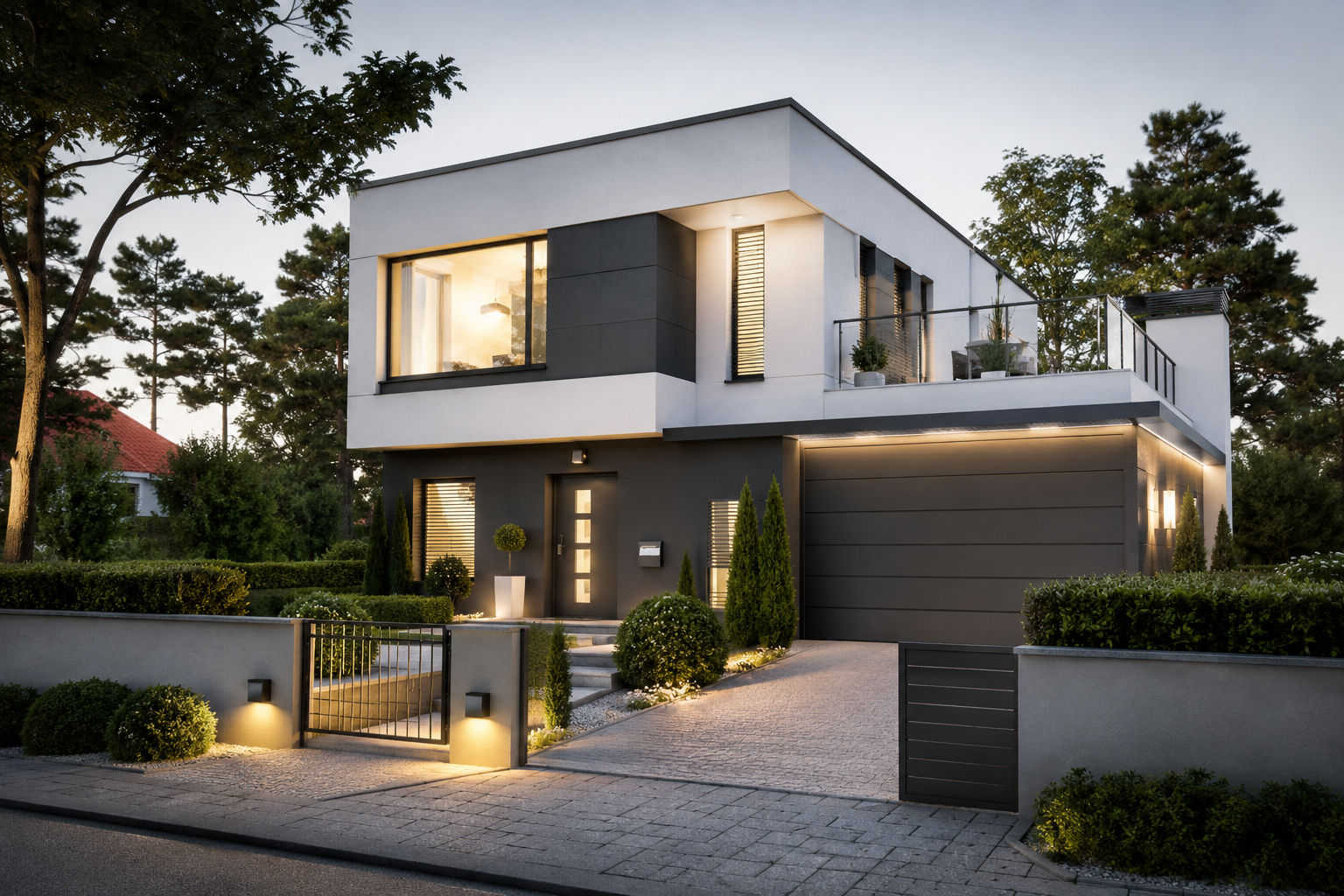
We turn your 3D models into high-quality visuals that look like actual photographs. These images are perfect for your website, catalogues, and marketing campaigns.
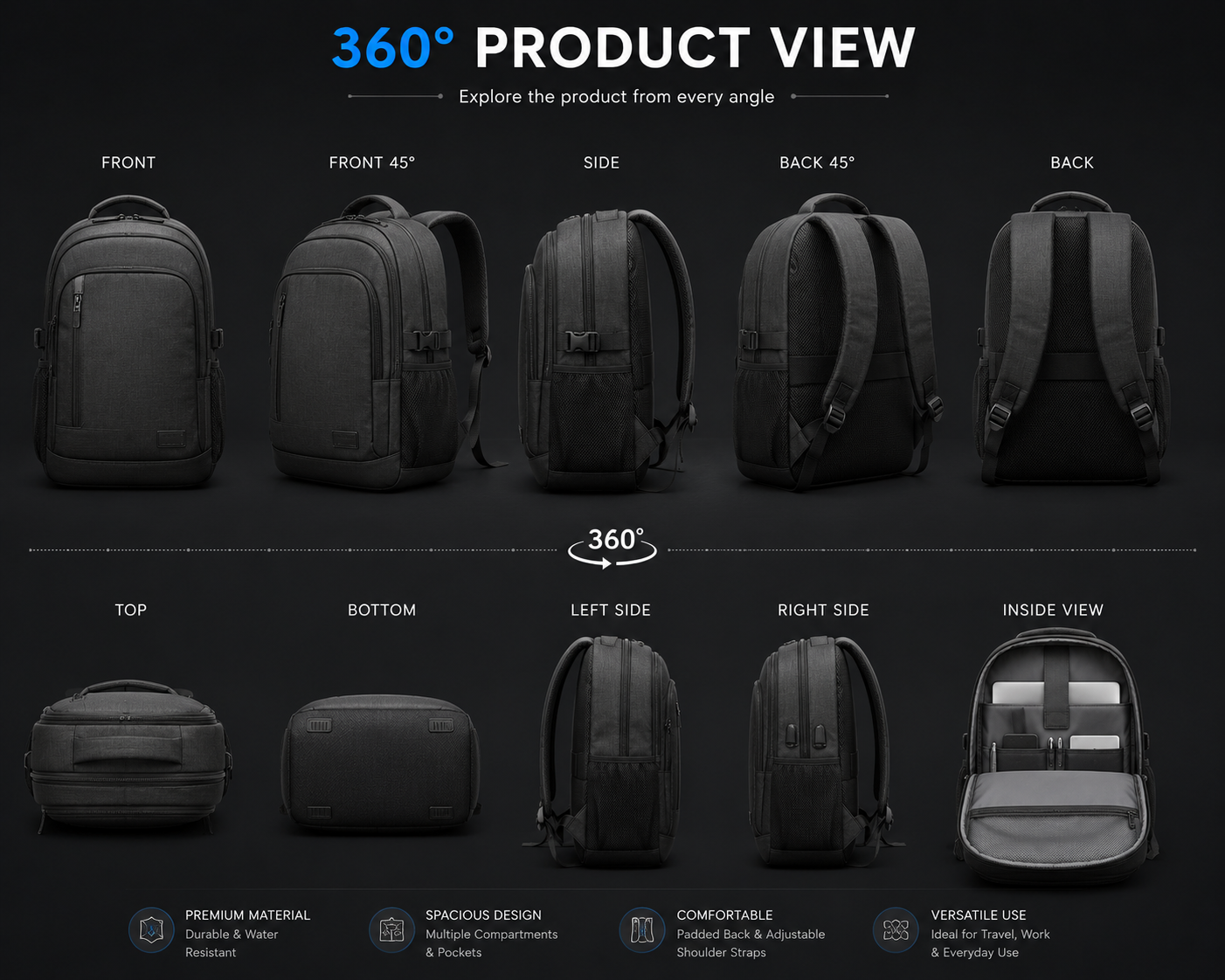
Give your customers the freedom to explore your product from every angle. With interactive 360° views, they can rotate and examine the product just like they would in a physical store.
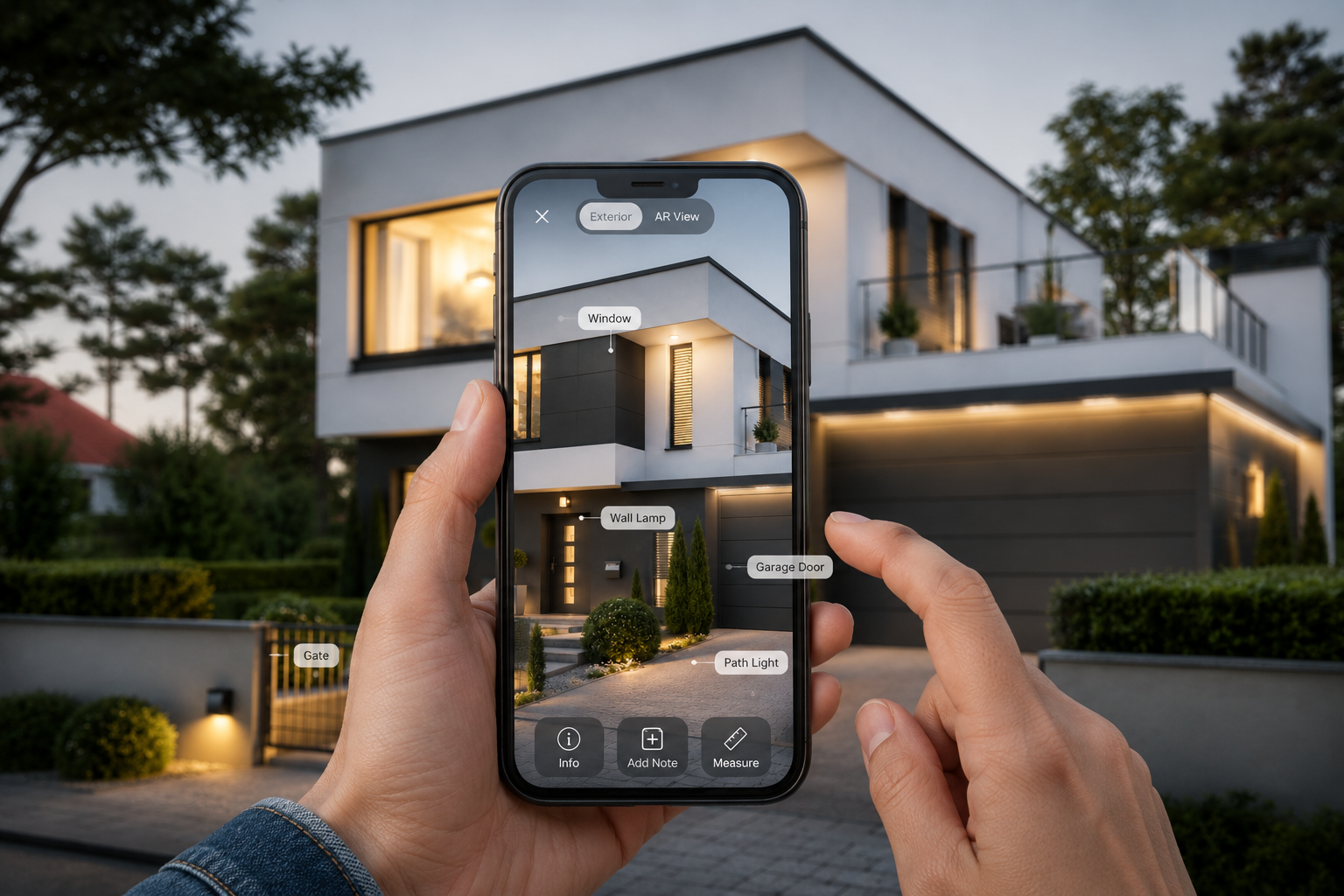
We help your customers see your product in their own space using their mobile devices. They can place furniture in their room and instantly understand how it fits and looks.

Sometimes a static image isn’t enough. We create simple, engaging animations to show how your product works, moves, or assembles—making it easier to understand and more appealing.
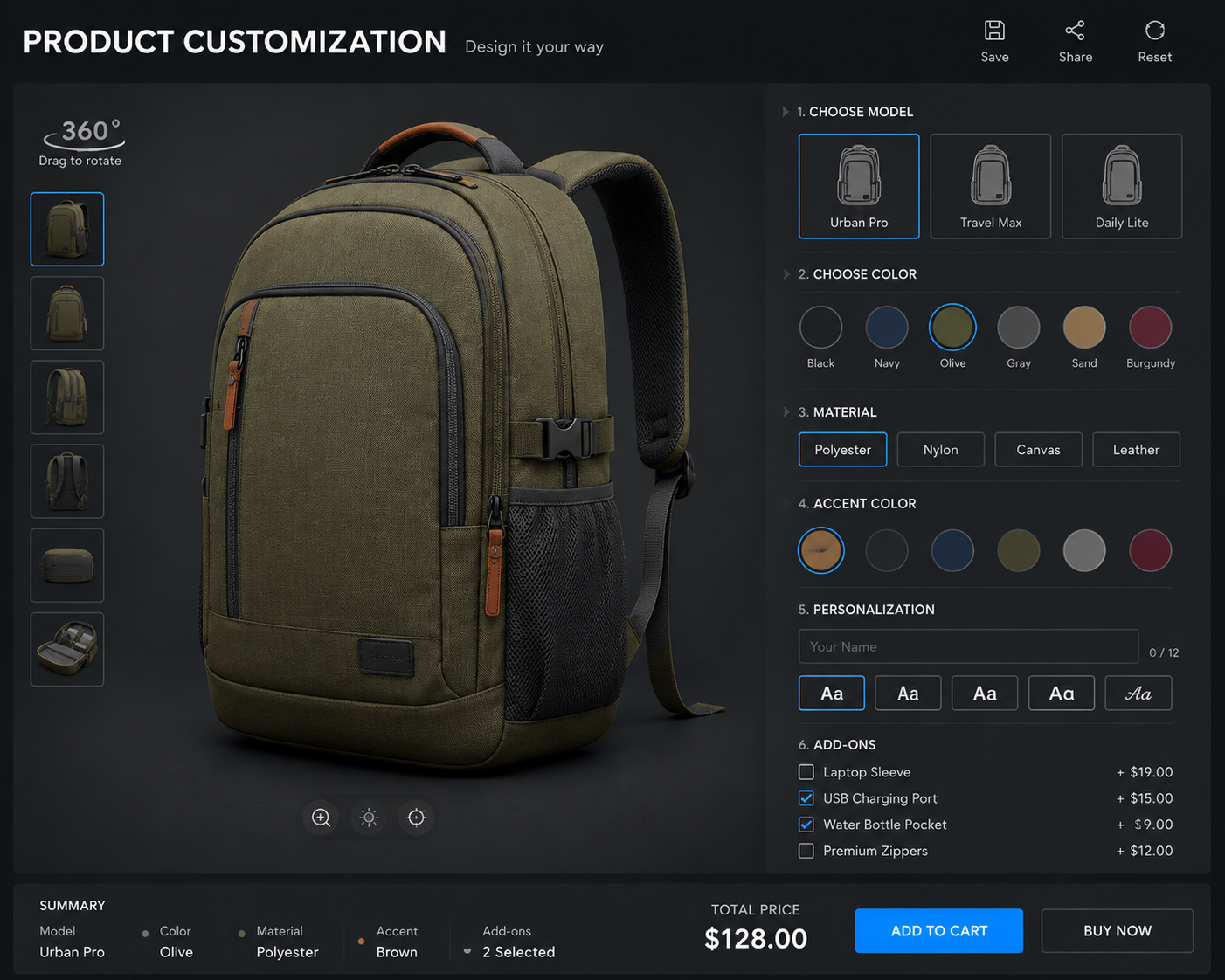
Let your customers choose what they like. From colors and materials to finishes and variations, they can customize the product in real time and see the results instantly.
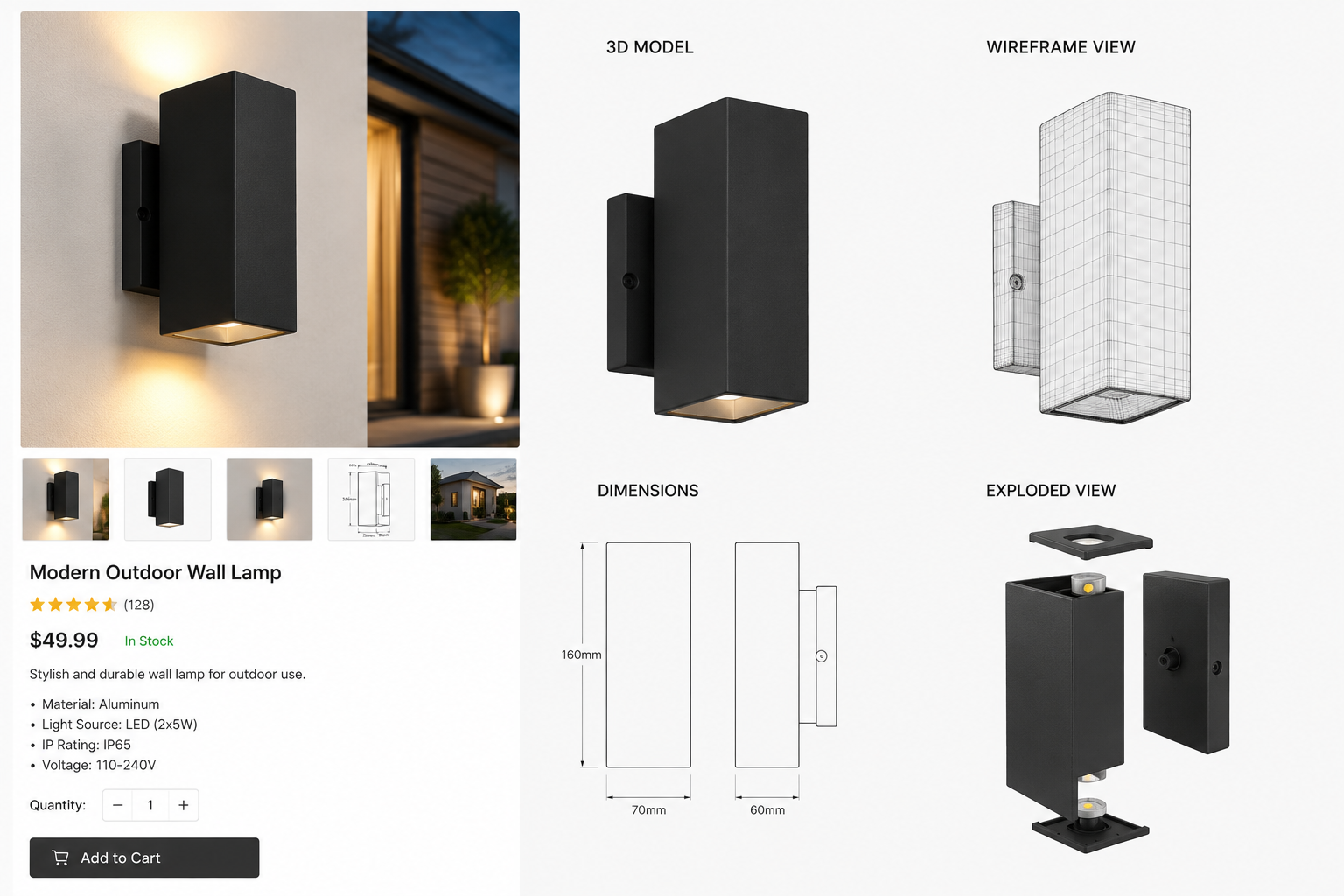
If you have a large range of products, we ensure consistency across all models. This helps your entire catalogue look clean, professional, and well-organized.
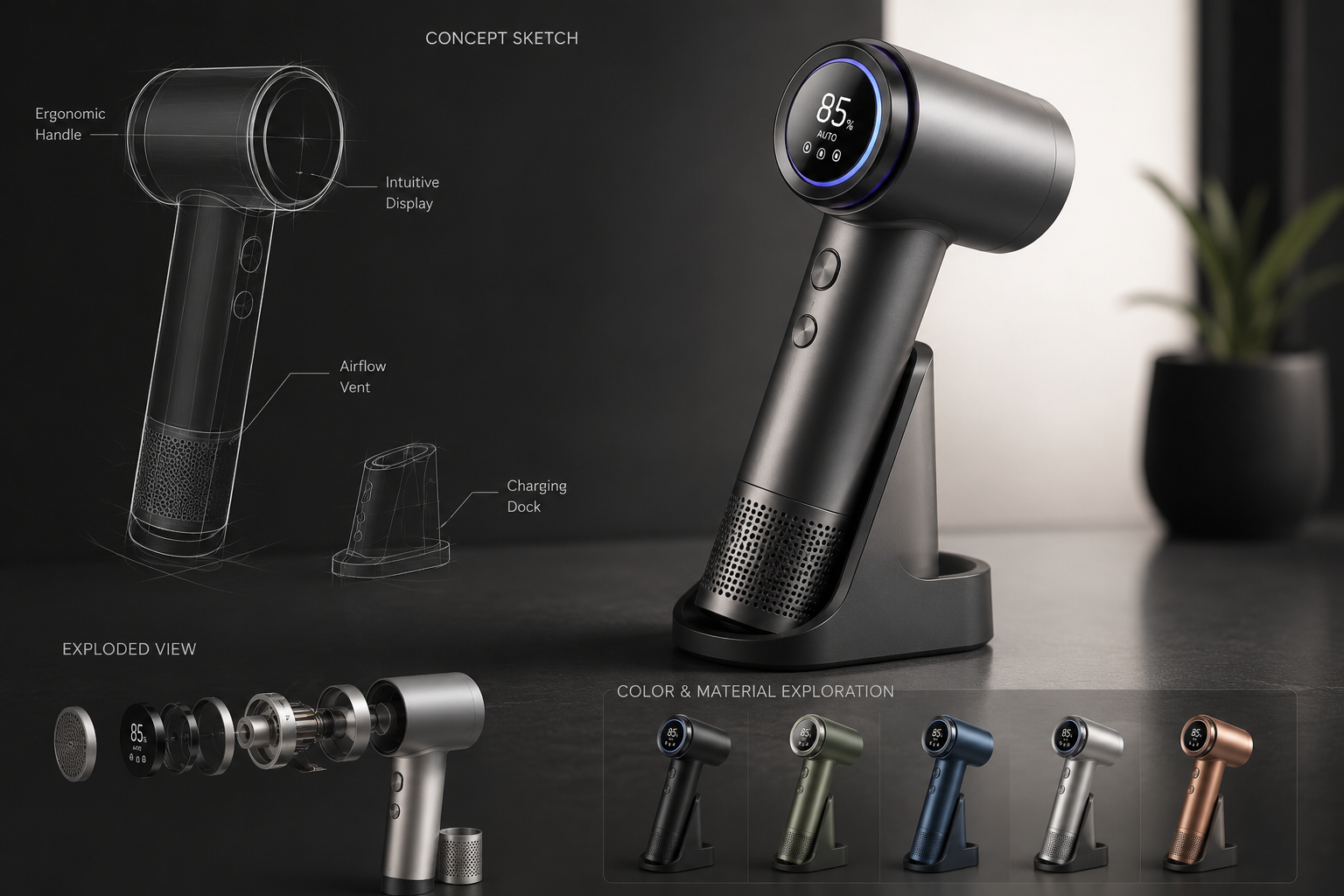
Before manufacturing, we help you visualize your ideas. This makes it easier to refine designs, make decisions, and avoid costly mistakes later.
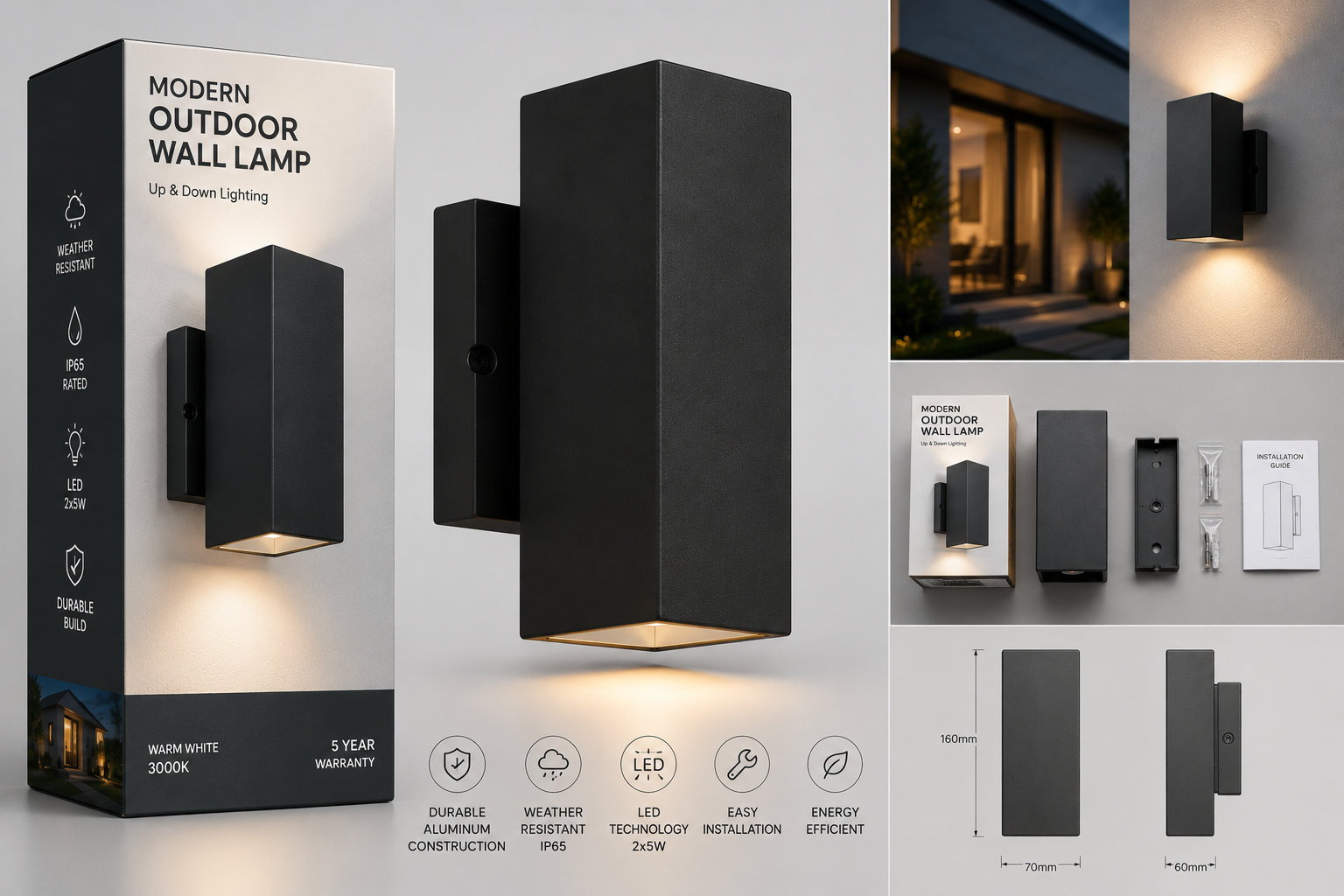
We also create 3D visuals for your packaging—boxes, labels, and branding—so you can present your product professionally even before it’s physically produced.
From concept to conversion—we craft visuals that bring your furniture to life and make buying decisions easier.
We start by discussing your product in detail—this can include reference images, sketches, CAD files, or even just your idea. We also understand your target platform (Amazon, Website, Catalogue, etc.) so we create exactly what you need.
Our team gathers all necessary details like dimensions, materials, finishes, and design references. This step ensures nothing is missed before we begin the actual modeling.
We build a precise 3D model of your furniture, focusing on correct proportions, structure, and design accuracy. At this stage, you’ll get a basic model preview for feedback.
We share previews with you and make necessary adjustments based on your feedback to ensure everything matches your expectations.
Once approved, we deliver optimized files tailored for your use—whether it’s for your eCommerce website, social media, ads, or AR/VR platforms.
3D furniture modeling services offer clear advantages for modern eCommerce businesses. They help reduce costs by minimizing the need for physical prototypes, while also speeding up the overall product launch process. With highly realistic digital models, businesses can identify and fix design issues early, avoiding expensive revisions later.
Beyond efficiency, these services significantly improve how products are presented. Photorealistic visuals, along with AR/VR experiences, allow customers to explore furniture in a more interactive and engaging way. This not only builds trust but also helps buyers make quicker, more confident decisions—ultimately leading to higher conversions and stronger customer engagement.